
Every business wants more than a sale. Deep down, what it really hopes for is a loyal customer, someone who keeps coming back, tells their friends, and eventually becomes a quiet champion for the brand. The hard part is figuring out how to get there on purpose, rather than hoping it happens by luck.
The answer lies in understanding that a relationship between a business and a customer does not start at love. It starts much smaller. It begins with a single, ordinary transaction and, if you handle each stage with care, it can grow into something far more valuable.
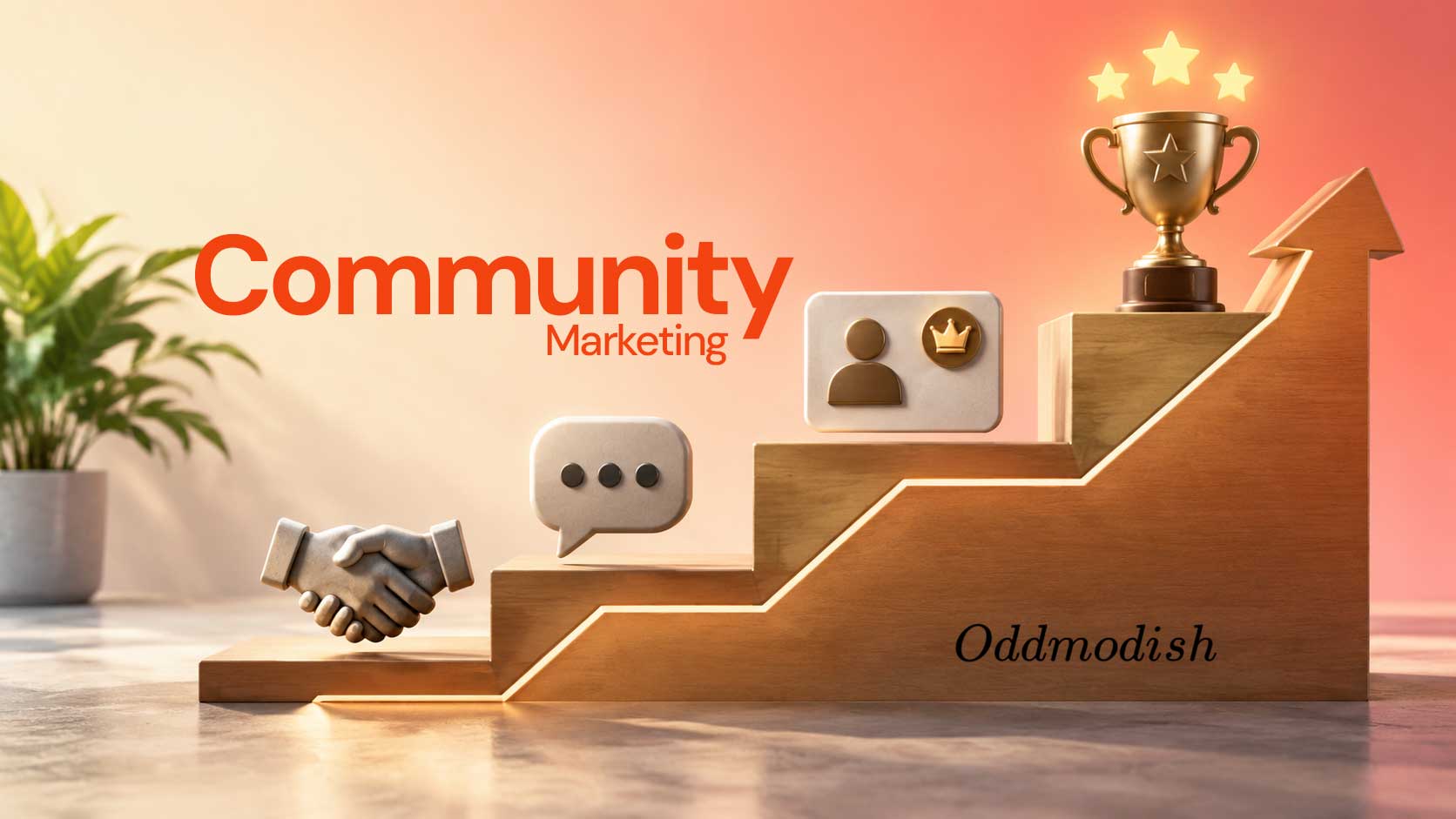
Think of every customer relationship as a journey that unfolds in four natural stages. Each stage builds on the one before it, and each one asks something different of the business. When you understand these stages, you stop guessing at what your customers want and start guiding them through a process that benefits everyone involved.
The Four Stages of a Growing Relationship
Every customer passes through four stages on their way to becoming your biggest fan. These stages are not random and they are not optional. They follow a natural progression that most businesses never bother to notice, which is exactly why so many of them struggle to keep the customers they work so hard to win.
The Customer
The first stage is the customer. At this point someone has made a purchase, nothing more and nothing less. They may have bought once on a whim, out of curiosity, or because a friend mentioned the product in passing. There is no real attachment yet. They have your product in their hands, but they are still quietly weighing whether it was worth the money they spent.
This is the most fragile stage of the entire journey. A customer has made exactly one commitment, which is the transaction itself, and they can walk away at any moment without a second thought. They owe you nothing and they feel no loyalty. They are simply giving you a chance to prove that you deserve more of their attention.
The mistake many businesses make is assuming this is the finish line. They celebrate the sale, close the file, and immediately start hunting for the next new buyer. But a single purchase is not the end of anything. It is the very beginning of a relationship that has barely started to form.
The Participant
The second stage is the participant, and this is where things start to get interesting. A participant does not just buy. They engage. Maybe they leave a review, follow your social media account, sign up for a newsletter, or show up to an event you host. They are no longer a passive buyer who took their product and disappeared. They are dipping a toe into your world and testing whether it feels welcoming.
Participation matters because it is a form of quiet consent. When someone takes even a small action beyond the purchase, they are signaling that they want to stay connected. They are opening a door and inviting you to walk through it. The problem is that most businesses never notice the door, so they never walk through.
This stage is where you begin to learn who your customers actually are. A participant leaves clues everywhere, in their reviews, their comments, their questions, and the choices they make. If you pay attention, you can start to understand what they value and what would make them want to go deeper.
The Member
The third stage is the member, and it is defined by a feeling rather than an action. A member feels a genuine sense of belonging. They no longer see you as the company they happened to buy from. Instead, they see you as the brand they are part of. They participate regularly, whether through a loyalty program, a community space, or a subscription they actually look forward to using.
At this stage, something important has shifted internally. The customer has made a choice about their identity. They have decided, often without realizing it, that this brand is now part of who they are. They wear it, talk about it, and defend it because it has become woven into their sense of self.
Belonging is not something you can hand to someone. It is something people feel, and that feeling only arrives when a business consistently makes them feel seen, valued, and connected. A member does not need a discount to stay. They stay because leaving would feel like losing a part of themselves.
The Advocate
The final stage is the advocate, and this is the moment every business dreams about. An advocate does not just stay. They promote. They recommend your products without being asked, defend your reputation when someone criticizes it, and bring in new customers without expecting anything in return.
Advocacy is often described as the holy grail of marketing, and for good reason. It cannot be manufactured with an advertising budget or forced with a clever campaign. It is earned, one genuine experience at a time, until people love what you do so much that talking about it feels completely natural.
What makes advocates so powerful is that they carry a credibility no ad can buy. When a friend recommends something, we trust them. When a stranger tells us to buy, we ignore them. Advocates are the closest thing a business has to a sales force that works for free, out of pure enthusiasm rather than obligation.
Why Most Businesses Get Stuck at Stage One
Here is the uncomfortable truth that most companies would rather not face. The overwhelming majority of businesses never move past the first stage, and a surprising number do not even realize it is happening. They pour money and effort into acquiring new customers while treating the ones they already have as finished transactions. The result is a leaky bucket that never stays full.
The Cost of Ignoring the Journey
The cost of this approach is massive, and it compounds quietly over time. Winning a new customer is consistently far more expensive than keeping and deepening an existing one, yet most organizations spend the bulk of their budget on the expensive part and almost nothing on the part that actually builds lasting value.
Think about what that means in practice. A business spends heavily to attract attention, convince a stranger to try their product, and convert that curiosity into a sale. Then, the moment the sale happens, the investment stops. The customer is left alone to form their own opinion, with no guidance, no invitation, and no reason to stay.
When that customer drifts away, the business quietly pays to replace them, and the cycle repeats. It is an exhausting treadmill, and the people running on it rarely stop to ask why they never seem to get anywhere.
Listening Comes Before Belonging
The shift from customer to participant happens when a business stops talking and starts listening. This sounds simple, but it is harder than it appears. Most companies are so focused on what they want to say that they forget to hear what their customers are trying to tell them.
Listening means asking for feedback and actually acting on it. It means responding to reviews, both the glowing ones and the harsh ones, with genuine care rather than canned scripts. It means creating small opportunities for people to raise their hands and get involved, whether that is a poll, a question, a comment thread, or a simple invitation to share a story.
Participation is an invitation, not a demand. You cannot force someone to engage, and trying usually backfires. What you can do is make it easy, make it welcoming, and make it worth their time. When people feel heard, they naturally want to participate more, and that is the beginning of everything that follows.
From Belonging to Belonging Out Loud
The leap from participant to member is where the real emotional bond forms, and this is the stage that separates businesses people tolerate from businesses people love. People do not become members because of a discount or a points system. They become members because they feel seen, valued, and connected to others who share their interests.
The Power of Community
Communities play a starring role at this stage, and their importance is hard to overstate. When you give customers a place to gather, whether online or in person, you hand them a reason to stay that goes far beyond the product itself. They start to form friendships, share tips with one another, and develop rituals around your brand that feel personal and meaningful.
Before long, leaving starts to feel less like switching to a competitor and more like leaving a group of friends. That is a powerful shift. A product can be replaced, and a price can be beaten, but a community is much harder to walk away from. The relationships people form inside your community become the glue that holds them to your brand.
Building a community is not about creating a place where you broadcast messages at people. It is about creating a place where people talk to each other. Your job is to host the room, set the tone, and then step back enough that real connections can form. When you get this right, the community does a large part of the work for you.
Creating the Conditions for Advocacy
The final step, turning a member into an advocate, is not something you can force. You cannot demand that people love you, and you cannot script their enthusiasm. What you can do is create the conditions where advocacy flourishes on its own.
Advocacy grows when people genuinely love the experience so much that talking about it feels like the most natural thing in the world. That means the product has to be good, the service has to be consistent, and the relationship has to feel human at every single touchpoint. When you get these basics right, enthusiasm becomes contagious, and your best customers start to sell for you without ever being asked.
The irony is that the businesses with the most advocates are almost never the ones begging for them. They are the ones who focused on being genuinely worth talking about, and let the word of mouth flow from there. Advocacy is a byproduct of excellence, not a goal you chase directly.
A Practical Framework for Building Advocates
Knowing the stages is one thing. Putting them into practice is another. To make this journey real, it helps to think in terms of three simple moves that work together to move people from one stage to the next.
Invite Participation Early
Do not wait for a customer to find you on social media or stumble across your community. Reach out and make the first move simple. Ask one good question, offer one easy way to contribute, and take the time to thank the people who show up.
Momentum begins with a low-friction invitation. The easier it is to take that first small step, the more people will take it, and the more likely they are to keep going. A customer who leaves a quick review or answers a single question is no longer just a buyer. They are a participant, and that is a meaningful change.
The invitation should feel like a friendly gesture, not a marketing tactic. People can tell the difference, and they respond to warmth far more than they respond to pressure.
Build Belonging Deliberately
Create a community space, host regular touchpoints, and celebrate your members in ways that feel genuine. Give people a sense of identity, a shared language, inside jokes, and traditions that make them proud to be part of the group.
Belonging is designed, not accidental. It comes from consistent, intentional choices that signal to people that they matter. When you remember a customer’s name, recognize their contributions, and make them feel like an insider, you are building the kind of loyalty that discounts can never buy.
The goal is to create an experience people want to return to, not because they have to, but because they would miss it if they stayed away.
Empower Advocacy Naturally
Make sharing easy, highlight the stories of your best customers, and reward the behavior you want to see. Not with bribes, but with recognition and genuine appreciation. The goal is not to script your advocates. It is to remove every obstacle standing between them and their enthusiasm.
When someone shares their excitement, thank them. When someone refers a friend, acknowledge it. When someone defends your brand, notice it. These small acts of recognition reinforce the behavior and make people feel like their enthusiasm is welcomed and valued.
Advocacy works best when it feels effortless. The less friction there is between a happy customer and their desire to tell a friend, the more often it happens.
The Payoff That Compounds
The beauty of this journey is that every step compounds on the one before it. A participant is more valuable than a passive customer. A member is more valuable than a participant. And an advocate is more valuable than all of them combined, not only because they buy more, but because they bring others along with them.
A Self-Reinforcing Cycle
A business that learns to move people through these four stages stops fighting an endless battle for attention and starts building something that feeds itself. Great experiences create loyal customers, loyal customers become enthusiastic advocates, and advocates bring in new customers without costing the business a cent in advertising.
This is the kind of growth that compounds over time. Each advocate you create becomes a source of new customers, and each of those new customers has the potential to become an advocate themselves. It is a cycle that, once it starts spinning, picks up its own momentum.
The alternative is the treadmill we described earlier, where every new customer has to be bought and every lost customer has to be replaced. It is not that this approach never works. It is that it works far harder than it needs to, and it produces far less than the relationship-based approach delivers.
Choosing the People Who Chose You
The lesson in all of this is simple but profound. Stop treating your customers as transactions waiting to be closed, and start treating them as relationships waiting to be deepened. This shift in perspective changes everything about how you operate, and it is the single most important change a business can make.
The journey from customer to advocate may not happen overnight. It takes time, patience, and a genuine commitment to the people who choose to spend their money with you. But every business that commits to it discovers the same truth sooner or later.
The most valuable asset you own is not your product, your store, or your advertising budget. It is the people who already chose you, and who are now waiting to see whether you will choose them back. When you do, when you invest in the relationship rather than just the transaction, you stop building a customer base and start building something far more lasting.
That is the real prize of this journey. Not a list of transactions, but a community of people who are genuinely glad to be there, and who are happy to tell everyone they know about it. And that is the kind of growth that no competitor can take away, because it is built one genuine relationship at a time.
Related guides
- 5 Essential Reddit Marketing Tips for Creating Authentic Brand Relationships Online
- Reddit for Marketing: How It Can Build Your Brand Awareness?
Want Oddmodish to run this for you? We map the subreddits where your buyers already talk, take part with brand-approved posts and replies, and report what moved engagement and search visibility. See our Reddit & Community packages or talk to our team.